Garden Clearance in Wood Green
Our garden clearance in Wood Green is set up to help you clear outdoor spaces in a straightforward, tidy way, whether you are dealing with cuttings after seasonal work, a bulky pile of shed contents, or an overgrown border that needs a proper reset. The service focuses on removing green waste and other unwanted garden materials with care for access, surfaces and the layout of your property, so the space can be left ready for its next use. We keep the process practical, with a clear scope and a neat finish in mind.
This page covers the main ways we support customers who need garden waste removed and outdoor areas tidied. You will find details of typical clearance work, the kinds of materials that are usually handled, and the choices that can affect the best approach. If you are comparing options, it can help to think about whether you need a one-off clearance, a partial tidy of selected items, or a broader removal of mixed outdoor rubbish. Use the sections below to judge the right level of service for your site.
When you are ready to take the next step, you can request a quotation with the relevant details and we will help shape the work around the waste, access and timing involved. If the job is only partly defined, that is usually still enough to begin. Contact us to discuss the clearance and ask for a quote.
Garden waste and outdoor clearance work
Garden clearance often involves more than a simple bagging-up of clippings. A typical job may include branches, hedge trimmings, soil, turf, weeds, leaves and broken outdoor items that no longer serve a purpose. In some cases the work is organised after pruning, landscaping or a longer period of neglect, while in others it is used to restore order after a busy growing season. The aim is to remove unwanted material efficiently while keeping the remaining garden intact and usable.
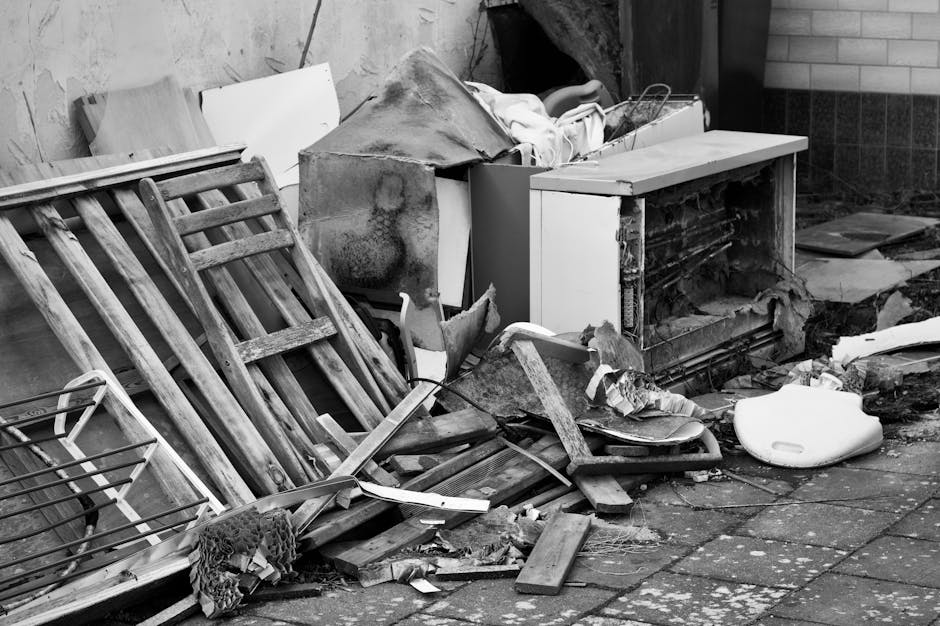
We also deal with mixed outdoor rubbish where the garden contains more than just organic waste. That can include plant pots, cracked planters, old canes, damaged fencing pieces, worn-out outdoor furniture or general items left in the shed or along the boundary. The practical challenge is often to sort what belongs in the clearance, what should stay, and how to load it without disturbing the rest of the site. A well-planned clearance avoids unnecessary handling and keeps the work focused.
Typical garden clearance materials can include:
- hedge cuttings, branches and prunings
- grass cuttings, weeds, leaves and clippings
- soil, turf and small landscaping spoil
- old pots, broken outdoor containers and similar items
- general garden rubbish collected from borders, paths or sheds
Working around access, layout and surface protection
A useful clearance depends on how the garden is arranged. Narrow side passages, steep steps, shared access, fragile paving and awkward corners can all affect how items are carried out. If the area has been left dense or tangled, the sequence of removal matters too, because heavier materials may need to come out before smaller waste can be gathered safely. We plan the work around the space available, so the route from garden to loading point stays as clear as possible.
Good preparation also helps protect lawns, paving and planting. Where access is tight, it may be better to group materials before lifting them out, rather than moving repeatedly across the same areas. In gardens with delicate beds or uneven ground, careful handling reduces unnecessary disturbance. The purpose is not to strip the space bare; it is to clear the agreed waste while leaving the remaining garden in a sensible condition for whatever comes next.
Useful points to think about before asking for a quotation are the type of waste present, whether any items are particularly heavy or awkward, and whether the garden can be reached easily from the front or rear of the property. A few notes about gates, steps or shared entrances can make planning simpler. If you want to outline the job clearly, that does not need to be complicated: a short description of the waste and access is often enough to start.
Choosing the right level of clearance
Some customers only need selective removal. For example, the job may involve clearing a particular border, taking away a pile of cuttings after one round of maintenance, or emptying a shed corner that has filled with broken tools and packaging. Others need a more complete clearance of the whole outdoor area before replanting, repair or regular maintenance can begin. The right scope depends on the state of the garden and on what you want to keep in place.
It is often helpful to separate garden waste from reusable items before the work begins. That keeps the focus on removal and avoids confusion on the day. If there are objects you want retained, moved elsewhere or dealt with separately, they are best identified at the quoting stage. A tidy handover starts with a clear understanding of what is staying and what is going, especially where the garden contains mixed materials and stored equipment.
If you are planning a larger reset, think about whether the clearance needs to happen before another trade visits or before you begin your own work. Scheduling matters when access is shared or when the weather affects the condition of the ground. A well-timed clearance can make later gardening tasks far easier, because it removes the clutter that otherwise gets in the way of cutting, digging, repairing or replanting.
Garden structures, sheds and leftover outdoor items
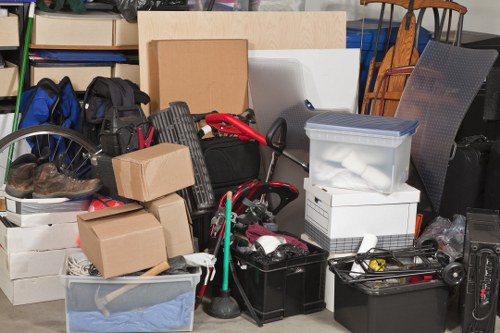
Many garden clearances include more than loose organic waste. Sheds, corners and hardstanding areas can collect items over time, and those pieces often need to be removed alongside the green waste. That might mean old hose reels, damaged plant supports, broken storage, tired ornaments or other outdoor objects that are no longer wanted. The work is usually most efficient when all of the unwanted material is grouped together so that the removal route can be kept orderly.
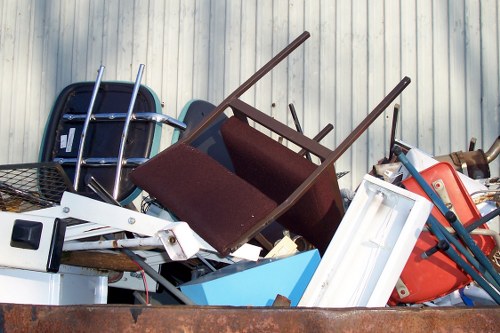
Where there are broken wooden parts, rotted fixtures or dismantled outdoor pieces, care is needed to avoid leaving splinters, protruding nails or sharp edges behind. If items are partly embedded in soil or tangled with vegetation, they may need a little more handling before they can be taken away cleanly. The main aim is to remove only the agreed waste and leave the remaining structure, path or boundary in a usable state. Accuracy matters when a garden contains a mixture of rubbish and keepable items.
Some jobs involve a simple collection, while others need a more thorough sort-out. If you are unsure how much belongs in the clearance, it can help to list the obvious categories first and then note anything that needs special handling. That keeps the quotation process focused. You do not need a formal inventory, but a brief outline of the kinds of objects present usually makes the next step easier.
Waste handling, sorting and disposal choices
The removal stage is only part of the work. Once garden waste has been collected, it needs to be sorted in a way that suits the material involved. Green waste, reusable outdoor items and general rubbish are not always treated in the same way, so the job benefits from a sensible system of separation. That helps keep the removal process efficient and reduces unnecessary backtracking between different materials.
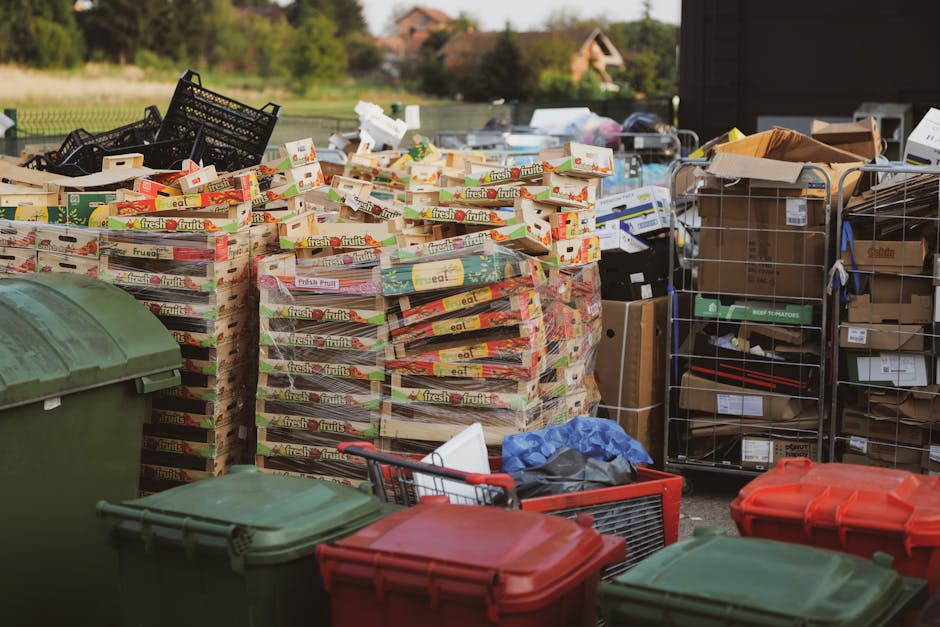
Customers often want to know what will happen to mixed waste once it has been loaded. The exact route depends on the material, but the basic principle is that waste should be handled in line with the type of item removed. When a garden contains both organic cuttings and hard items, a clear plan avoids confusion and keeps the work moving. Clear categorisation also helps when the clearance includes several different outdoor zones, such as a front garden, side passage and back area.
Where there is a choice to be made between a partial tidy and a more complete clearance, the answer usually comes down to future use. A garden that is being replanted may need a broader strip-out than one that simply needs routine cutting waste removed. If you want to compare options, ask for a quotation that reflects the real scope rather than guessing from a rough description alone. That gives a better starting point for both sides.
Pricing factors and quotation details
Garden clearance pricing is usually shaped by practical factors rather than a one-size-fits-all rate. The amount of waste, its weight, the ease of access and the time needed to load it all influence the final quote. Dense green waste can take longer to move than light trimmings, and awkward access can add time even where the pile itself is not especially large. A fair quotation reflects the actual work involved.
It can also help to know whether the job is a single visit or part of a bigger project. A one-off clearance after pruning may be quite different from a property that has accumulated waste over several seasons. If there are mixed materials, heavy items or items that need extra handling, mention them when requesting a price. That way the quote can be based on the real task, not an idealised version of it. Clarity at the start saves time later.
For best results, describe the garden in practical terms: what needs removing, how easy it is to reach, and whether there are any items to leave in place. A few straightforward details are usually enough to begin. If the scope changes after the initial enquiry, the quotation can be adjusted accordingly, keeping the job aligned with the actual waste and layout rather than an estimate that no longer fits.
About Wood Green
Wood Green is a district in north London within the London Borough of Haringey, known for its strong high-street character and links to the wider Finsbury Park and Tottenham area. The place developed significantly in the nineteenth century, particularly after the arrival of the railway, and it later became established as a major shopping and transport centre for the surrounding neighbourhoods. Today, it is closely associated with the A105 corridor and with Wood Green station on the Piccadilly line, which gives the area direct Underground connections into central London and towards Heathrow to the west. The district’s built environment is varied: Victorian and Edwardian terraces sit alongside post-war redevelopment, modern residential blocks and commercial streets that reflect different phases of growth. One of the best-known landmarks is Alexandra Palace, which lies nearby and is visible in the local landscape from several approaches. The wider area also includes access to green spaces such as Ducketts Common and Albert Road Recreation Ground, both of which add open ground to a dense urban setting. Shopping has long been part of Wood Green’s identity, with the Wood Green High Road acting as a focal point for retail, services and day-to-day movement. The area also has a cultural life shaped by its diverse communities, schools, places of worship and local venues, giving it a busy, mixed-town character rather than the feel of a single-purpose district. Its combination of transport links, housing variety and commercial frontage has made it one of the most recognisable parts of Haringey.
Home gardens, allotments and larger outdoor clearances
Not every job is the same size or shape. Some clearances involve a modest back garden that has become cluttered with seasonal waste, while others cover larger outdoor areas where the work extends across lawns, boundaries and storage spaces. In addition, some properties need help with communal outdoor sections, allotment plots or spaces that have accumulated mixed waste over time. The best approach depends on what must be removed and how the site is laid out.
When a clearance covers several outdoor areas, it is useful to think about the order in which the work should be tackled. Shared entrances, narrow strips and rear access can all affect the sequence, especially where the same route is used repeatedly. A planned method reduces disruption and helps the job move steadily from one section to the next. If the site includes several types of waste, careful grouping can also make the final removal more efficient.
In larger clearances, customers sometimes want to keep one part of the garden tidy while leaving another area for later work. That is perfectly workable if the scope is set out clearly. The point is to remove the agreed waste without creating unnecessary upheaval. A measured clearance is usually better than a rushed one, especially where the outdoor space is being prepared for ongoing use rather than total redesign.
Preparing for a smooth garden clearance
Simple preparation can make the clearance easier to carry out. If there are items you want kept, move them to one side or identify them clearly before the work begins. If access is through a side path or shared gate, make sure that route is free enough for safe movement. Where the garden contains fragile ornaments, stored tools or low-hanging growth, it helps to mention that in advance so the handling can be adapted to suit the space.
It is also sensible to let us know about any particularly heavy, wet or compacted material. Soil, turf and dense cuttings can behave very differently from loose leaves or lightweight trimmings, and that affects the work involved. If you are gathering images or notes for a quotation, keep them focused on the waste itself and the route through the property. Short, practical details are usually more useful than a long explanation.
For customers comparing options, the most helpful question is often not whether the waste can be removed, but how much of the outdoor space should be included. Once that is clear, it becomes easier to judge the right level of service and ask for a quotation that matches the job properly. You can keep the enquiry brief and still give enough detail for an accurate response.
Garden clearance for a tidy finish

A good garden clearance should leave the outdoor area ready for the next stage, whether that means further gardening, repair or simply enjoying a more usable space. That is why the work is usually best approached with care rather than speed alone. Removing the agreed waste, checking the final sweep of the area and making sure the route out is left sensible all contribute to a finish that feels complete. The goal is a clear, practical result.
If you are unsure whether your job fits a garden-only clearance or needs a broader outdoor waste removal, a short description will usually point the way. Mixed waste, bulky items and overgrown sections can all be considered together, so there is no need to overcomplicate the request. Tell us what needs to go, what must stay and how the site is reached, and we can take it from there. Request a quotation when you are ready.
For a simple next step, use the contact details on this site and ask for a quote for your garden clearance in Wood Green. If you are planning ahead, it is still worth getting the scope agreed early so the work can be scheduled around the actual waste and access. Clear instructions make for a clearer response, and that usually makes the whole process easier from the start.